Private Blood Tests: Unlocking Vitamin Deficiency Identification
Blood tests for vitamin deficiencies are essential tools for proactive healthcare, revealing nutrien.......
Read more →
In today's world, where health awareness is on the rise, understanding our body's nutritional needs has become a priority. One crucial aspect of preventive healthcare is the blood test for vitamin deficiency, a powerful tool that offers insights into an individual's overall nutritional status. This comprehensive article aims to delve deep into the realm of blood tests for vitamin deficiencies, exploring its significance, global implications, technological innovations, and the path forward. By the end, readers will grasp the importance of this testing method and its potential to shape personalized healthcare solutions.
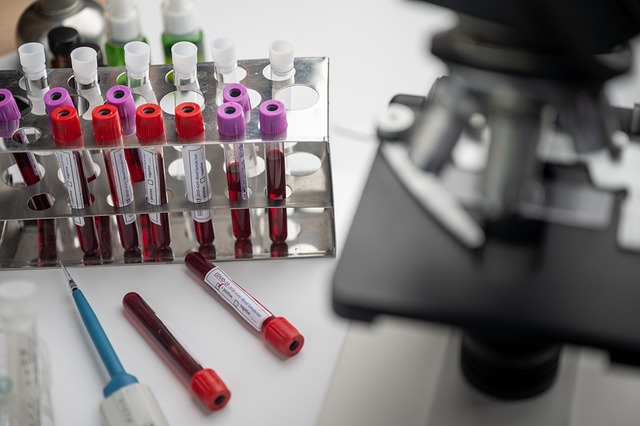
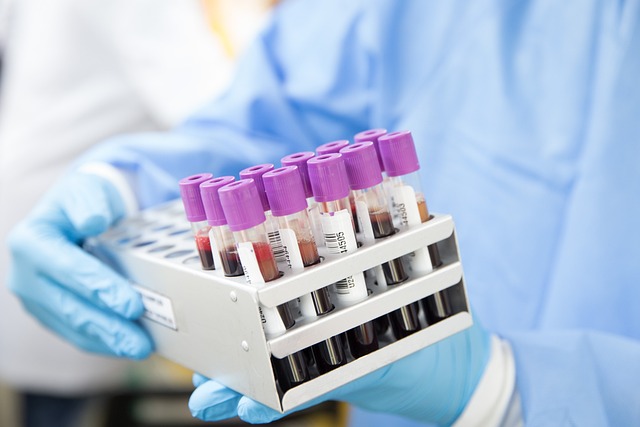
A blood test for vitamin deficiency is a medical diagnostic procedure that evaluates the levels of various vitamins in an individual's bloodstream. Vitamins are essential organic compounds required by the body in small amounts for optimal health and proper physiological functions. These micronutrients play a pivotal role in immune function, energy production, bone health, and overall well-being. However, deficiencies can occur due to poor diet, malabsorption issues, or increased demand during specific life stages.
The blood test typically measures the concentrations of essential vitamins such as Vitamin A, B-complex (including B12 and folate), C, D, E, and K. It provides a non-invasive method to assess nutrient status, allowing healthcare professionals to identify deficiencies early on and make appropriate treatment recommendations. This test is often used as a preventive measure, helping individuals take charge of their health by addressing potential vitamin gaps before they lead to more serious health complications.
Historically, the concept of vitamin deficiency testing has evolved over several decades. Early research into vitamin deficiencies laid the foundation for understanding the role of these micronutrients in human physiology. As medical technology advanced, blood testing became more refined and accessible, enabling healthcare providers to monitor and manage nutrient deficiencies effectively. Today, with rising rates of chronic diseases associated with nutrition, this simple yet powerful tool continues to play a critical role in preventive healthcare.
The impact of blood tests for vitamin deficiency extends across borders, shaping global health strategies and initiatives. According to the World Health Organization (WHO), undernutrition, including vitamin deficiencies, remains a significant concern worldwide, affecting millions of people, especially in developing countries. This has prompted international efforts to improve nutrition and access to diagnostic testing.
Africa: Some African nations struggle with limited access to healthcare infrastructure, making it challenging to implement widespread vitamin deficiency screening programs. However, initiatives like the African Union's "African Food Security and Nutrition Strategy" emphasize the importance of addressing micronutrient deficiencies to achieve sustainable development goals.
Asia: In Asia, countries like India and China have made significant strides in improving nutrition through public health campaigns and food fortification programs. These efforts have led to a decline in certain vitamin deficiencies, but disparities still exist across socioeconomic groups.
Western Countries: Developed nations often focus on preventive healthcare, and blood tests for vitamin deficiency are more readily available. For example, the United States' National Health and Nutrition Examination Survey (NHANES) provides valuable data on vitamin intake and deficiencies in the American population.
Increasing Awareness: Rising health consciousness among consumers has led to a greater demand for personalized nutrition advice, driving interest in vitamin deficiency testing.
Telemedicine Integration: The rise of telemedicine during the COVID-19 pandemic accelerated the adoption of remote blood testing and consultation services, making nutrient screening more accessible.
Personalized Medicine Approach: There is a growing trend towards tailored healthcare solutions, where individual vitamin profiles are considered to create customized nutrition plans for optimal health.
The economic implications of blood tests for vitamin deficiency are multifaceted, impacting both healthcare systems and individual consumers. This section explores the market dynamics, investment patterns, and cost-benefit analyses associated with this testing method.
The global vitamin deficiency testing market has experienced steady growth in recent years, driven by rising health awareness and aging populations. According to a 2022 report by MarketsandMarkets, the market size is projected to reach USD 16.5 billion by 2027, growing at a CAGR of 8.2% during the forecast period (2022-2027). This growth is attributed to increased demand for personalized healthcare and the rising prevalence of chronic diseases linked to nutrition.
Healthcare Providers: Clinics and hospitals invest in blood testing equipment and services as part of their comprehensive patient care offerings.
Pharmaceutical Companies: Businesses specializing in vitamin supplements and related products collaborate with diagnostic companies to develop integrated solutions for improved patient outcomes.
Digital Health Startups: Innovative startups offer remote testing kits and mobile applications, making vitamin deficiency screening more convenient and accessible.
The cost of a blood test for vitamin deficiency varies depending on factors such as the number of vitamins tested, geographic location, and healthcare provider. Typically, a basic panel testing for common vitamins (B12, folate, Vitamin D, etc.) costs between $50 to $200 USD per test. While this may seem like a significant investment for some individuals, the potential long-term benefits of improved health and disease prevention justify these expenses. Moreover, many insurance plans cover vitamin deficiency screening, making it more financially accessible.
Technological advancements have significantly enhanced the accuracy, speed, and accessibility of blood tests for vitamin deficiency diagnosis. This section highlights some key innovations that are shaping the future of this testing method.
Point-of-Care Testing (POCT): POCT devices provide quick and convenient results at the patient's side or in community health centers. These portable, user-friendly devices enable immediate feedback, allowing individuals to make informed decisions regarding their nutrient status.
Mass Spectrometry: Advanced mass spectrometry techniques offer unparalleled precision in vitamin detection, enabling healthcare professionals to identify even trace amounts of vitamins in the blood. This technology is particularly useful for rare or subtle vitamin deficiencies.
Liquid Chromatography-Mass Spectrometry (LC-MS): LC-MS is a powerful method for simultaneous analysis of multiple vitamins and related compounds, providing comprehensive nutrient profiles. This technique is widely used in research settings but is also becoming more accessible for clinical applications.
Artificial Intelligence (AI) Integration: AI algorithms can analyze large datasets from vitamin deficiency tests to identify patterns and predict individual nutritional needs. This technology aids healthcare providers in interpreting test results and personalizing treatment plans.
Blood tests for vitamin deficiency offer a multitude of benefits, both as a preventive measure and as part of a comprehensive healthcare strategy.
Early Deficiency Detection: Regular testing enables the early identification of vitamin deficiencies, allowing for timely intervention and improved outcomes.
Personalized Nutrition: By understanding an individual's vitamin profile, healthcare professionals can provide customized dietary recommendations to address nutrient gaps.
Chronic Disease Management: Vitamin deficiencies are often associated with chronic conditions like heart disease, diabetes, and osteoporosis. Blood testing helps in monitoring and managing these conditions effectively.
Pregnancy and Maternal Health: Vitamin deficiency screening is crucial during pregnancy to ensure optimal fetal development and maternal health.
Elderly Care: Older adults are at a higher risk of vitamin deficiencies due to reduced dietary intake and altered metabolism. Regular testing can help maintain their overall health and independence.
Sports Nutrition: Athletes may benefit from blood testing to optimize performance by ensuring adequate nutrient levels, particularly for B vitamins and Vitamin D.
Despite its numerous advantages, blood tests for vitamin deficiency are not without challenges and considerations. Addressing these issues is essential to improving access, accuracy, and patient outcomes.
Interventional Factors: Vitamin levels can be influenced by various factors, including recent meals, supplements, or certain medical conditions. These variables must be considered to interpret test results accurately.
Standardization of Testing Methods: Different laboratories may use varying methods for testing, leading to potential differences in reported results. Standardization and quality control measures are necessary to ensure comparability of data.
Cost and Accessibility: While insurance coverage helps, the cost of testing can still be a barrier for some individuals or communities. Expanding access through public health initiatives is crucial for addressing disparities.
Interpretation and Personalized Recommendations: Interpreting vitamin test results requires specialized knowledge. Healthcare providers must stay updated on reference ranges and individual variations to offer meaningful advice.
As technology continues to advance, the future of blood tests for vitamin deficiency looks promising, with opportunities to improve accessibility, accuracy, and personalized healthcare solutions. Here are some key areas to watch:
Digital Health Integration: The integration of digital health platforms and mobile applications will enable remote testing, easy data sharing, and automated interpretation, making nutrient screening more convenient and accessible.
Personalized Medicine Advancements: Building upon the growing trend of personalized medicine, future blood testing may be tailored to an individual's genetics, lifestyle, and environmental factors, providing even more precise nutritional guidance.
Global Health Collaboration: International partnerships and knowledge-sharing initiatives can help address regional disparities in vitamin deficiency testing and management, ultimately improving global health outcomes.
Research and Education: Continued research into the role of vitamins in human physiology and disease prevention will further refine our understanding of optimal nutrient levels, leading to better testing protocols and treatment guidelines.
Blood tests for vitamin deficiency are a powerful tool in the quest for personalized healthcare and preventive medicine. By providing insights into an individual's nutritional status, these tests enable individuals to make informed decisions about their health and well-being. As technology advances and our understanding of vitamins evolves, the future looks bright for improving access to accurate and meaningful nutrient assessments.
Ultimately, empowering individuals with knowledge about their vitamin levels can lead to better overall health, reduced risk of chronic diseases, and a more proactive approach to wellness.